
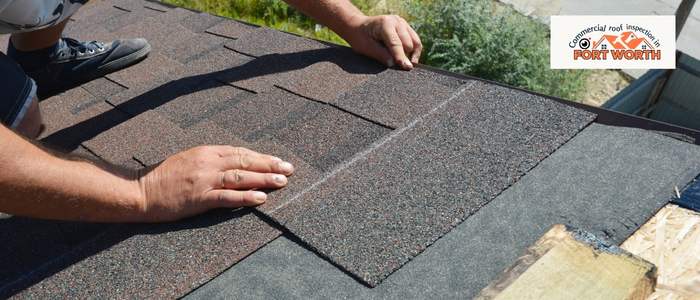
The residential roofing system is one of the most critical structural components of a home, acting as the primary barrier against rain, wind, heat, and environmental degradation. Over time, however, even the most durable roofing materials begin to deteriorate due to weather exposure, thermal expansion, and natural aging. When repairs are no longer sufficient, a full roof replacement becomes necessary.
For homeowners planning this project, one of the most common questions is simple but important: How long does it take to replace a roof?
The answer is not always straightforward. Roof replacement timelines depend on several factors including roof size, material type, structural condition, weather conditions, and contractor efficiency. While some residential roofs can be replaced in a single day, others may require several days or even weeks.
Understanding the timeline of a roof replacement project helps homeowners prepare for disruptions, coordinate contractors, and ensure the work is completed safely and efficiently.
Understanding the Typical Roof Replacement Timeline
Under normal circumstances, most residential roof replacements take between one and three days. However, this estimate assumes ideal working conditions and a straightforward installation process.
Below is a general guideline based on the size of the home:
| Home Size | Estimated Replacement Time |
|---|---|
| Small home (1000–1500 sq ft) | 1 day |
| Medium home (1500–3000 sq ft) | 2–3 days |
| Large home (3000+ sq ft) | 3–5 days |
This timeline includes:
- Removing the old roofing materials
- Inspecting the roof deck
- Installing underlayment
- Installing the new roofing system
- Final cleanup and inspection
However, several technical and environmental factors can extend this schedule.
Factors That Affect Roof Replacement Time
Roof replacement is not simply about installing new shingles. It is a complex construction project influenced by multiple variables.
Roof Size and Surface Area
The most obvious factor is the total surface area of the roof.
Larger roofs require more time for:
- Material removal
- Deck inspection
- Shingle installation
- Safety setup
For example, a 1,200 square foot roof may require only one working day, while a 4,000 square foot roof may require several days.
Roofing Material Type
Different roofing materials have dramatically different installation speeds.
| Roofing Material | Installation Speed | Complexity Level |
|---|---|---|
| Asphalt Shingles | Fast | Low |
| Metal Roofing | Moderate | Medium |
| Wood Shakes | Moderate | Medium |
| Clay / Concrete Tiles | Slow | High |
| Slate Roofing | Very Slow | Very High |
Asphalt Shingles
Asphalt shingles are the most common roofing material in North America and are also the fastest to install.
Major manufacturers such as GAF and Owens Corning design shingle systems specifically for quick installation, allowing professional crews to replace many roofs in a single day.
Tile and Slate Roofing
Clay tiles and natural slate require more time due to their weight and fragility.
Each tile must be carefully positioned and secured. These materials also require stronger structural support, which may increase installation time.
Roof Design and Structural Complexity
The shape of the roof also plays a major role in determining how long the project will take.
Simple Roof Designs
A roof with a basic gable design is relatively easy to replace.
Characteristics include:
- Few valleys
- Minimal slopes
- Simple ridge lines
These roofs allow roofing crews to move quickly and efficiently.
Complex Roof Designs
More complex roof structures require additional time due to increased detailing and safety requirements.
Examples include:
- Multiple valleys
- Dormers
- Skylights
- Chimneys
- Steep slopes
Each of these features requires precise flashing installation to prevent leaks.
Weather Conditions and Environmental Delays
Roof replacement is highly dependent on weather conditions.
Professional roofing contractors carefully monitor forecasts before beginning a project.
Rain and Moisture
Rain is the most common cause of delays.
If rain occurs during installation:
- The exposed roof deck can absorb moisture
- Installation must pause to prevent water damage
Most contractors will temporarily cover the roof with waterproof tarps until conditions improve.
Wind Conditions
Strong winds can make roofing extremely dangerous. Shingles, underlayment, and metal panels can easily become airborne.
For safety reasons, contractors may stop work when wind speeds exceed safe limits.
Extreme Heat or Cold
Temperature also affects roofing materials.
Asphalt shingles, for example, require moderate temperatures to properly seal and bond.
If conditions are too cold or too hot, installation may be slowed to ensure proper adhesion.
The Roof Replacement Process: Step-by-Step Timeline
Understanding the phases of a roof replacement project provides a clearer picture of the total timeline.
Site Preparation
Before work begins, contractors prepare the job site.
This includes:
- Protecting landscaping
- Covering windows and siding
- Setting up ladders and safety equipment
- Delivering roofing materials
Preparation typically takes 1–2 hours.
Removing Old Roofing Materials
The next step is removing the existing roofing system.
This process involves:
- Removing shingles or tiles
- Pulling out nails and fasteners
- Clearing old underlayment
For an average home, removal usually takes 3–6 hours.
Inspecting the Roof Deck
Once the roof is stripped, contractors inspect the underlying roof deck.
They check for:
- Rotting wood
- Structural damage
- Mold or moisture issues
If damage is found, repairs may add several hours or even a full day to the project.
Installing Underlayment and Waterproofing
After the deck is approved, contractors install protective layers.
These include:
- Ice and water shield
- Synthetic underlayment
- Drip edges
These components provide a waterproof barrier beneath the shingles.
Installing the New Roofing Material
This stage is the most visible part of the process.
Contractors install:
- Starter shingles
- Field shingles
- Ridge caps
- Flashing around roof penetrations
Depending on roof size and complexity, installation typically takes 1–2 days.
Final Inspection and Cleanup
The final step includes:
- Inspecting the roof for proper installation
- Removing debris and leftover materials
- Using magnetic tools to collect stray nails
Professional roofing companies often perform a final quality inspection to ensure compliance with manufacturer guidelines.
Crew Size and Work Efficiency
The number of workers on the roofing crew also affects project duration.
A typical roofing team includes 5–8 workers.
Larger crews can complete projects more quickly by dividing tasks such as:
- Material removal
- Deck inspection
- Shingle installation
- Cleanup
Highly experienced crews may complete standard asphalt roof replacements in a single day.
Unexpected Delays That Extend Roof Replacement Time
Even well-planned projects can encounter unexpected complications.
Common delays include:
- Hidden structural damage
- Rotten roof decking
- Insulation problems
- Ventilation upgrades
- Permit approvals
Local building regulations may also require inspections before installation can continue.
Organizations like International Code Council establish many of the building codes used during roofing projects.
Professional vs DIY Roof Replacement Timeline
Some homeowners consider replacing their roofs themselves to save money.
However, DIY projects often take significantly longer.
| Project Type | Average Time |
|---|---|
| Professional crew | 1–3 days |
| DIY homeowner | 1–2 weeks |
Professional roofers have specialized tools, safety equipment, and installation experience that dramatically reduces the timeline.
How to Prepare for a Roof Replacement
Homeowners can make the project smoother by preparing in advance.
Recommended preparation steps include:
- Moving vehicles away from the house
- Protecting attic storage items
- Informing neighbors about construction noise
- Securing fragile wall decorations inside the home
Roof replacement can create vibrations that travel through the structure.
Final Thoughts
Replacing a roof is a significant home improvement project, but in most cases it happens surprisingly quickly. For many homes, a professional roofing crew can remove the old materials and install a new roof in just one to three days.
However, the exact timeline depends on several important factors, including roof size, material type, structural complexity, weather conditions, and the experience of the installation crew.
By understanding the process and planning ahead, homeowners can ensure their roof replacement project runs smoothly and efficiently. With proper installation and regular maintenance, a new roof can protect a home for 20 to 50 years, providing long-term durability, safety, and peace of mind.