
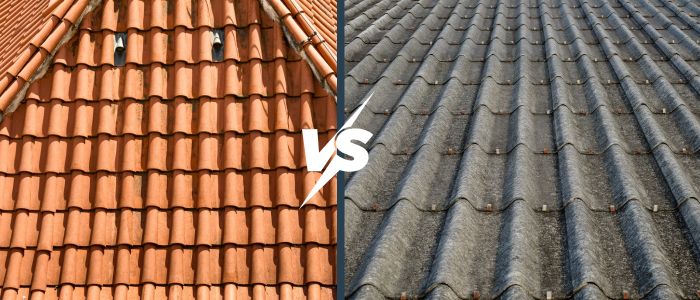
Choosing a roof is one of the most significant investments a homeowner will ever make. While asphalt shingles dominate the market due to their low entry cost, those looking for “forever roofs” invariably end up comparing two heavyweights: Clay and Concrete.
Both materials offer incredible curb appeal and longevity that makes shingles look like a temporary fix. However, the differences in weight, water absorption, and long-term maintenance are vast. In this comprehensive guide, we break down everything you need to know to make an informed decision.
Composition and Manufacturing: How They Are Made
Understanding the “DNA” of your roofing material explains how it will perform over decades of exposure to the elements.
Clay Tiles: The Earth-Born Classic
Clay tiles, often referred to as Terra-cotta, are made from natural silt and clay. These are molded into shapes and fired in a kiln at temperatures exceeding 2,000°F. This process “vitrifies” the clay, essentially turning it into a stone-like ceramic.
- Natural Color: The color is baked through the entire tile.
- Density: The firing process creates a high-density material that is naturally resistant to moisture.
Concrete Tiles: The Modern Engineered Alternative
Concrete tiles are a mixture of Portland cement, sand, and water. Instead of being fired, they are “cured” under heat and pressure.
- Pigmentation: Color is usually added as a pigment to the wet mix (color-through) or sprayed onto the surface (slurry-coated) after molding.
- Versatility: Because they are molded, concrete tiles can mimic the look of wood shakes, slate, or traditional clay.
Durability and Lifespan: The “Centenary” Battle
When clients ask me how long these roofs last, the answer is usually “longer than you will own the house.” But there is a clear winner in the extreme long-term.
Clay Tile Lifespan
Clay is the gold standard for longevity. It is common to see clay tile roofs in Europe and the Mediterranean that are 100+ years old.
- Standard Expectation: 50 to 100 years.
- Weather Resistance: Clay is virtually immune to the UV degradation that destroys shingles. It also handles salt air exceptionally well, making it the #1 choice for coastal properties.
Concrete Tile Lifespan
Concrete is incredibly durable, but it has a slightly shorter “peak” life than clay.
- Standard Expectation: 30 to 50 years.
- The “Cure” Factor: Concrete actually gets stronger over the first few years as it continues to hydrate and cure, but it is more prone to surface wear than vitrified clay.
Weight and Structural Integrity
This is where the “Roofer’s Warning” comes in. You cannot simply swap shingles for tile without doing the math.
The Weight Comparison
| Material | Weight per Square (100 sq. ft.) |
| Asphalt Shingles | 200 – 350 lbs |
| Concrete Tiles | 700 – 1,100 lbs |
| Clay Tiles | 600 – 1,000 lbs |
Structural Requirements
Because a tile roof can add 10 to 20 tons of weight to a standard home, a structural engineer must inspect the rafters.
- Reinforcement: Many homes require additional “sistering” of rafters or reinforced load-bearing walls to prevent the roof from sagging.
- Lightweight Options: Some manufacturers offer “lightweight” concrete tiles (approx. 600 lbs/square), but these can be more brittle and harder to walk on during maintenance.
Water Absorption and Weather Performance
How a tile handles water determines how much stress it puts on your roof’s underlayment.
Water Absorption Rates
- Clay: Usually has an absorption rate of about 6%. It sheds water quickly and dries fast.
- Concrete: Has a higher porosity, often absorbing 10% or more of its weight in water.
Why This Matters
- Weight Gain: During a heavy rainstorm, a concrete roof becomes significantly heavier than a clay roof.
- Mildew and Algae: Higher moisture retention in concrete makes it more prone to moss and algae growth, especially in shaded areas.
- Freeze-Thaw Cycles: In cold climates, absorbed water can freeze and expand. Clay’s lower absorption rate makes it superior in preventing “spalling” (surface chipping) in freezing temperatures.
Aesthetics and Style Versatility
A roof accounts for up to 40% of a home’s exterior visual space.
The Clay Look
Clay is famous for the Spanish S-Tile (Mission style). It offers a timeless, high-end look with “variegated” colors that look natural and earthy. Because the color is part of the clay, it will not fade, even after 50 years of desert sun.
The Concrete Look
Concrete is the king of mimicry. If you want the look of a Hand-Split Wood Shake or New England Slate but want the fire resistance of masonry, concrete is your best bet.
- Warning on Fading: Concrete tiles can experience “efflorescence” (a white chalky powder that rises to the surface) or simple pigment fading over 20 years.
Installation Complexity and Cost
Neither of these is a DIY project. These require specialized “Tile Rovers” and specific flashing techniques.
Cost Breakdown
- Concrete Tiles: Generally cost $10 – $18 per square foot installed. It is the more “budget-friendly” masonry option.
- Clay Tiles: Can range from $15 – $30+ per square foot installed. The cost of the material is higher, and the labor is more intensive because clay tiles are more brittle and prone to breakage during installation.
The Importance of Underlayment
While the tiles last 50 years, the underlayment (the waterproof barrier underneath) usually lasts 20–30 years.
Pro Tip: If you are investing in clay or concrete, always upgrade to a synthetic high-temp underlayment or a multi-layer felt system. There is no point in having 100-year tiles over a 15-year underlayment.
Maintenance and Walkability
As a roofer, I tell every client: Stay off your roof.
- Clay: Very brittle. If you walk on a clay roof to clean gutters or install solar panels without “padding” your weight or knowing where the “laps” are, you will crack tiles.
- Concrete: Much more “walkable.” It has higher compressive strength and can handle the weight of a technician better than clay, though caution is still required.
Sustainability and Energy Efficiency
Both materials are “Green,” but for different reasons.
- Thermal Mass: Both clay and concrete have high thermal mass. They absorb heat during the day and release it slowly at night, keeping your attic cooler and reducing AC costs by up to 20%.
- Recyclability: Tiles can be crushed and recycled into road base or new concrete products at the end of their life.
- Reflectivity: Modern “Cool Roof” glazes can be applied to both materials to reflect even more solar radiation.
FAQs
Which lasts longer, clay or concrete roof tiles?
Clay tiles are the longevity champions, frequently lasting 100 years or more due to kiln-fired vitrification. Concrete tiles are highly durable but typically have a shorter service life of 30 to 50 years as the material is more porous.
Is a clay roof more expensive than concrete?
Yes, clay is significantly more expensive upfront. Expect to pay $12–$35 per square foot for clay, whereas concrete usually costs $9–$19. However, clay’s 100-year lifespan often results in a much lower annual “cost per year” over time.
Do I need to reinforce my roof for tile?
Most likely. Because clay and concrete can weigh 600 to 1,100 pounds per square, they are 3x heavier than shingles. A structural engineer must verify that your rafters and load-bearing walls can support the massive increase in weight.
Final Verdict: Which Should You Choose?
- Choose Clay If: You live in a coastal or high-UV environment, you want a “forever” aesthetic that never fades, and your budget allows for a premium upfront investment.
- Choose Concrete If: You want a specific look (like slate or wood), you need high impact resistance (hail zones), or you want the benefits of a tile roof at a more mid-range price point.